Virtual staging cost per photo: AI, human and physical staging
Published · 5 min read
Virtual staging costs from well under a dollar to about thirty dollars per photo, depending on who does the work. AI tools are cheapest and fastest; human editors cost more and take longer but handle tricky rooms; physical staging with rented furniture runs into the thousands for a vacant home. For most listings, staging three to six key rooms virtually is enough.
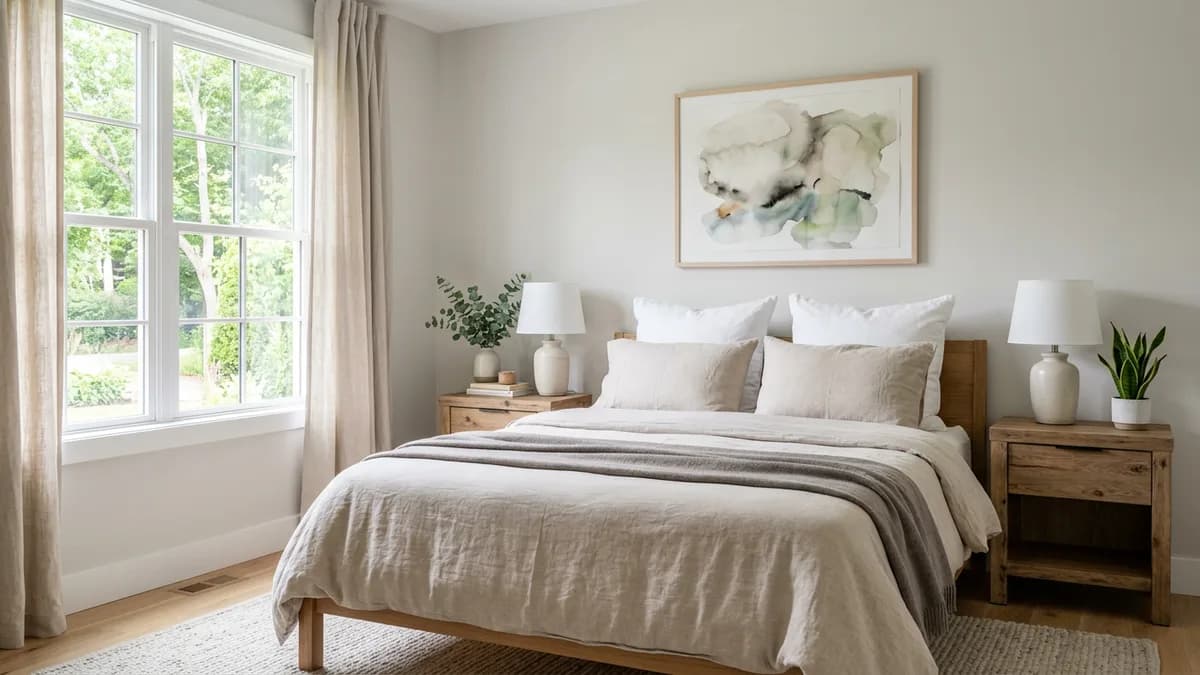
The three ways to stage a listing
Every option aims at the same thing: helping a buyer understand an empty room's size and purpose from a photo. They differ in who does the work, how long it takes and what you pay for.
- AI virtual staging: you upload a photo of an empty room, choose a room type and style, and software adds furniture in a minute or two. You pay per photo or per month.
- Human virtual staging: an editor furnishes the photo by hand with 3D models. You pay per image and wait hours to days.
- Physical staging: a stager brings real furniture into the home. You pay for design, delivery, setup and monthly rental.
What each option costs
Prices below come from each provider's own pricing page and change often, so treat them as a snapshot.
- Virtual Staging AI lists plans from $16 a month for 6 photos to $79 a month for 150 photos, as of October 2026 — about $2.67 down to $0.53 per photo, with unlimited re-renders.
- Apply Design sells coins at $7 to $10 each, as of October 2026; an automatically staged photo uses 1.5 coins, so roughly $10.50 to $15 per photo, and the first image is free.
- BoxBrownie lists human virtual staging at $30 per image, as of October 2026, and item removal at $5 to $10.
- Physical staging of a vacant home is about $2,000 to $3,000+ for the first month and an occupied home about $800 to $2,500+, according to a Chase guide, as of May 2026.
The gap is the point: one month of rented furniture costs about the same as virtually staging hundreds of photos. Physical staging still has a place for high-end homes and in-person showings, because buyers walking through see the furniture too.
What actually drives the price
Per-photo price is only part of the bill. Before you compare tools, check these:
- Retries. Some tools count every generation, others let you re-render a photo as often as you like. If a room comes out wrong the first time, retries decide what a usable photo really costs.
- Subscription or pay-as-you-go. A monthly plan is good value if you list every month; for one or two listings a year, a one-off pack avoids paying for idle months.
- Resolution. Listing portals and print flyers need large files. Check the output size before you buy.
- Clearing the room first. If the room is furnished, removing the old furniture may cost extra — see how to remove furniture from a photo.
- Turnaround. Human editors often quote one to two business days; AI is minutes, which matters when the listing goes live tomorrow.
How to budget one listing
You rarely need to stage every photo. Buyers mostly want to understand the main rooms; a stack of identical bedrooms with the same furniture adds little.
- Pick three to six key rooms: living room, kitchen and dining area, main bedroom, and one more if it's unusual (a home office, a loft).
- Leave bathrooms, hallways and closets as they are — staging adds little there.
- Add one retry for every other photo to your count; AI sometimes needs a second try for a tricky angle.
- Keep the original of every staged photo and plan the labels — the virtual staging disclaimer guide covers what to write.
With an AI tool, a five-room listing with retries usually lands in single digits to low tens of dollars. EmptyRoomStaged prices staging in one-off packs sized per listing, with no subscription, and the first photos are free — see the pricing section.
Is virtual staging worth it?
For a vacant listing, it is one of the cheapest things you can do for the photos. Empty rooms are hard to read online: buyers can't tell whether a bed fits or where the sofa goes, and rooms often look smaller than they are. Staging answers those questions before the showing.
It is worth less when the home is already well furnished, when the photos themselves are poor (dark, tilted, blurry — fix those first), or when the buyer will mostly decide in person. And it is never worth hiding anything: stage the furniture, not the house.
Questions
Roughly half a dollar to a few dollars per photo with AI tools, about ten to fifteen dollars with semi-automatic services, and around thirty dollars with human editors, based on providers' pricing pages in October 2026.
Yes, by a wide margin. Physical staging of a vacant home typically costs thousands for the first month, while virtually staging a whole listing usually costs tens of dollars or less.
Three to six key rooms is enough for most listings: the living room, kitchen or dining area, the main bedroom and any unusual space. Leave bathrooms and hallways as they are.
It depends on the tool. Some include unlimited re-renders in a monthly plan; pay-as-you-go tools often charge each generation. Count one retry for every other photo when you budget.